Showing posts with label kohlrabi. Show all posts

Thursday, July 3, 2014

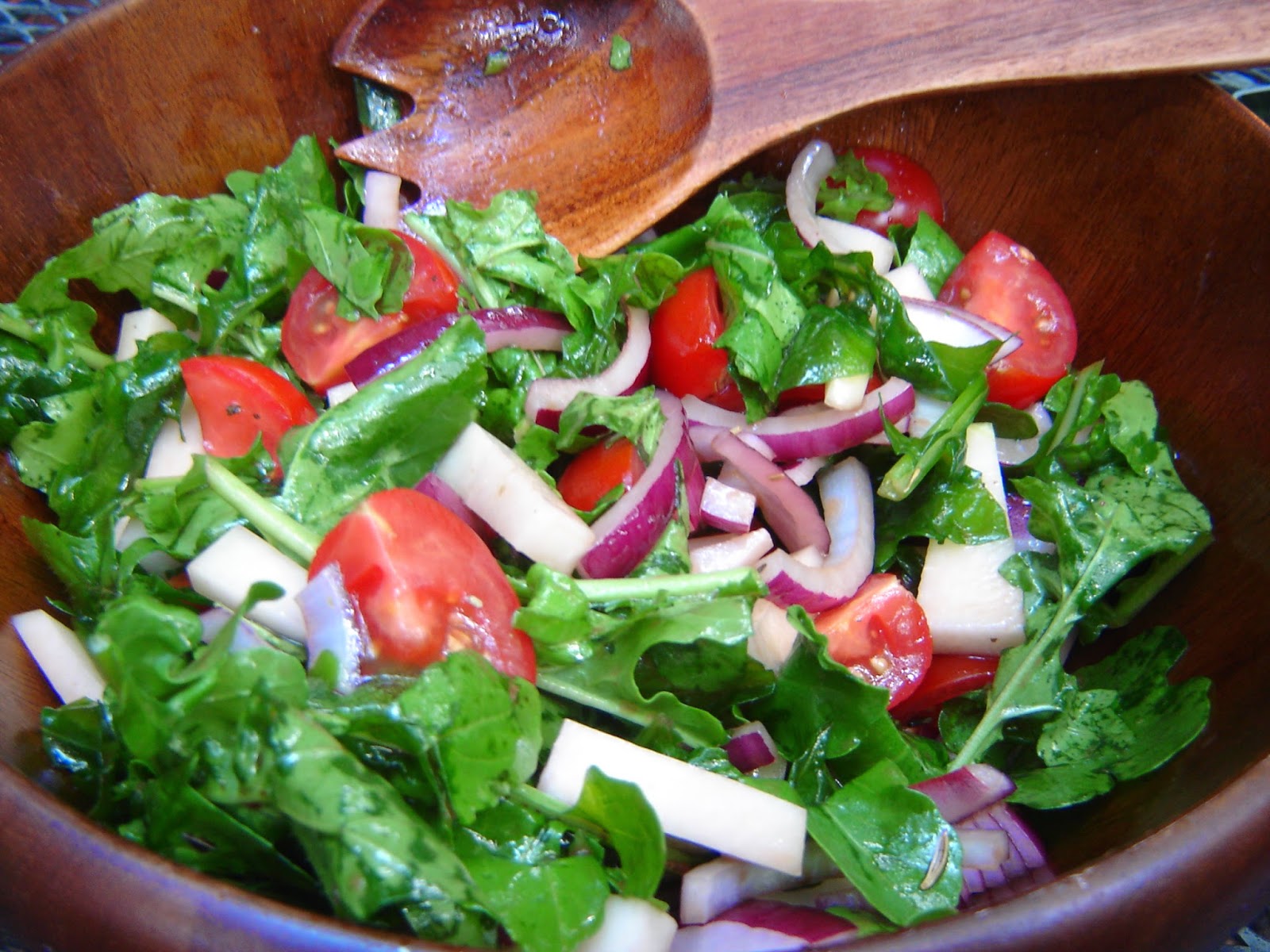
Arugula and kohlrabi salad


Back in May, I had dinner at this little restaurant that I anxiously awaited months for it to open. I’m pretty sure you know the kind: small, charming, overpriced – the neighborhood’s “gem”. One day, I drove by and saw it had opened, so I did a U-turn, and went straight in. I wasn’t hungry; I had just finished dinner, but I reasoned that an extra glass of wine wouldn’t hurt anyone. It was my chance to check this place out. I was surprised – and impressed - by the lively atmosphere and their clever décor. So far I loved the place (and the wine), although I wasn’t too impressed after reading the menu. But once again, I had just eaten dinner, so maybe I wasn’t interested because I was so stuffed.
 

When I went back to eat at this restaurant I made the bold decision of ordering a salad for dinner. Frankly, that is very unlike me, but the salads were the only options that seemed substantial to me. Everything else were overpriced tapas, and I hate feeling neglected when I’m eating dinner. I had an arugula, radicchio and frisee salad topped with “turkey breast”. Words cannot describe my disappointment when that plate reached my table. I envisioned eating at least a few cubes of turkey breast, or even some more substantial slices – just like when you have chicken in your salad. Instead, they were thin slices of cold cut deli turkey, which together did not add up to more than an ounce. That’s fine if I were to make my salad at home, but I was really expecting more for the hefty price I paid for it. To make matters worse, my salad was unbelievably bitter. I really hate sending food back to the kitchen, but despite my best attempts, I could not eat it. I singled out the radicchio as the guilty member of the trio, and so I told my waitress. She quickly offered to fix it, but the kitchen’s solution was to send me a completely different salad (topped with more cold turkey –pun intended) because according to them, some people don’t like the bitterness of the frisee. Now I was more offended than dissatisfied. I know that arugula, frisee and radicchio can be somewhat bitter. I know how they taste, and I know I like them. But I knew their radicchio was the problem and I told her so, but they just assumed that I was ignorant and I was not expecting the frisee to be bitter. I will not be stopping there anytime soon.


Last Saturday, I came across beautiful kohlrabi at the farmers market and I had to buy one. Normally I buy at least 2, but this baby was big so I only got one! Before even paying for it, I knew I wanted to use it in a salad. Just a few stands away, I saw this beautiful arugula I just couldn’t leave behind. There it was, I had the base for my salad. This particular arugula was a bit more “bitter” than what I’m used to in my standard “supermarket arugula”, but it still tasted good. Unlike what those restaurant people may have thought of me, I can deal with some bitterness without become bitter myself. The earthy –yet fresh taste of the kohlrabi went well with the arugula, and its crunchiness was pleasant and refreshing. I used tomatoes and red onions to finish my salad, and my dressing was olive oil based. As you can imagine, none of my ingredients were meant to mask the bitterness of the arugula. Instead, I played with it, and brought out additional layers of flavors. This turned out to be a beautiful side salad that went well with our grilled dinner, and it was almost an independence statement from those people at that restaurant (at least in my mind).

Speaking of independence, I wish you all a happy 4th of July. Have some great food, and enjoy the fireworks in good company. Oh, and stay cool!

On the road shortcut
Nutritional info per serving (4 servings)
134 calories, 9 g carbs, 11 g fat, 2 g protein

For the salad
1 cup of arugula
1 kohlrabi, peeled and diced
8 Campari tomatoes (sliced into quarters)
½ large red onion, sliced

For the dressing
3 tablespoons extra virgin olive oil
1 teaspoon balsamic vinegar
A pinch of salt
¼ teaspoon dried basil

Combine all the salad components in a salad bowl. In a separate container, add all of the dressing ingredients, and shake well. Pour the dressing onto the salad just before eating, and toss.

Thursday, May 16, 2013

Kohlrabi - expect great things

Sometimes, for some obscure and unknown reason, I feel like an artist. I need some inspiration. I'm not really sure of what exactly it is that I'm looking for, or what is it that I want to accomplish, but I have this feeling that I will recognize the signs when I see them. As part of my inspiration search, I decided to give the West Side Market, in the Ohio City neighborhood of Cleveland, a friendly visit. Now, if you haven't been to the West Side Market, you may not appreciate the abundance of both food, and of visitors at the huge location. The Market, even though at a glance it may look like an old fashioned approach to buying food, has actually been growing its reputation on specialty and gourmet items. I was sure something would catch my eye. And it was a trio of kohlrabi.

I had actually never seen kohlrabi before, or at least I never paid attention to it. You see, I grew up in Puerto Rico, where everything thas is edible has a loud presence... And it screams EAT ME! The Kohlrabi is technically a winter vegetable, so you can imagine... To me it was the definition of droopiness. But once again, in the interest of trying to spice things up I went for it.

Kohlrabi is actually quite a common item in the cuisines of central and northern Europe. Like its name suggests (kohl - cabbage) it is yet another cultivar of cabbage. That means that it is an artificially selected form of cabbage, grown for its stem as the part of the plant you'll eat. The rabi part of the name, suggests its similarity to turnips, which I have never eaten either... Which make things interesting... Anyway, the point is that they are supposed to be somewhat sweet. They are also very nutritious stems. There is a good amount of fiber, some protein, and a very long list of vitamins and minerals you may want to check out; they will probably give your multivitamins a run for their money. Some people claim you should not eat kohlrabi if you have thyroid problems, but I don't really know if that's true. Actually, I heard about that after I had finished eating them... So, I guess is a good that I don't have thyroid issues.

So, how to cook it? A soup would have probably been a safe choice. That is, after all, the Euro-way. However, I wasn't really in the mood for it. I looked around the kitchen, and I saw some of the other friends I brought home from the market. Now things were getting fun. I noticied I also had two staples of the Puerto Rican cuisine I don't get to eat too often: a plátano maduro (ripe plantain) and a ñame (yams - not sweet potatoes, not at all). When you see a plantain, you can know its sweetness level based on its color. Green is savory, Yellow is somewhat sweet and Yellow/Black is sweet. Yams are savory and delicious. So immediately, I thought of one of the most common dishes we have in Puerto Rico: viandas. Viandas refers to a a family of dishes made of a collection of roots (yes, those Spanish Roots you see in the supermarkets), green bananas and sometimes pana/panapen (breadfruit) boiled together. The magic of the dish relies on the different tones of each ingredient echoing the next; it goes from the savory taste of green bananas, to the sweetness of the local varieties of sweet potatoes (batata) balanced by spectra of the savory/sweet notes of each of the components. 

I wasn't sure about the boiling part of the process, but I was decided to keep the idea of the viandas alive in my head, as Grandma would have been insisting, had she been alive. However, instead of boiling my goodies, I would roast them. I made 3 kohlrabies, 1 sweet potato, 1 yam, and 1 ripe plantain. I peeled and cubed them, added salt, pepper, and a drizzle of olive oil. Since I was going all Puerto Rican on the poor Arian stem, I decided I might as well go all the way and and season with dried basil and dry oregano. Then, they went to the oven for 45 minutes, at 425F, and turned every 15 minutes.

When I got them out of the oven, they were beautiful. And their flavors were amazing. The notes of each one of the ingredients balanced the other, and they allowed the taste of the kohlrabi to shine. It definitely tasted better than cauliflower (which I love), and slightly less sweet than a red cabbage/apple salad. One thing to note is that, if you attempt making this, and you are unfamiliar with the yam, you may want to add it to the roasting pan like 10-15 minutes after the rest of the combo go in, so it is less crunchy, and you have time to acquaint yourself with its texture before you have to deal with the crunchy factor. I loved it, though. I also loved the shiraz that stopped by to make sure everything was in order.

Something like this pairs well with a mayo/ketchup combo of a sauce/dip. But in the interest of health, you can skip it, and instead you can combine it with something juicy, like baked chicken thighs, with sautéed onions and garlic. Any tender meat would pair well. Back home, we normally eat this kind of food with codfish, cooked with onions, garlic and olive oil. You can make a simple olive oil/garlic sauce as a dressing, and it would go very well. Actually, the mayo/ketchup dressing can also be lighten up using 1 part mayo, 2 parts greek yogurt, and 1 part ketchup. Additionally you can have some greek yogurt and add your favorite vinegar, and some dried herbs and even some fresh garlic. It's all good. 

By the end of the evening I had made a new friend. And now that kohlrabi has a place in my kitchen, it will be invited back. Normally I don't have roots and plaintains sitting around, so maybe next time the kohlrabi will make it into a soup... Or maybe not. What can I say? ...I'm kinda moody.